
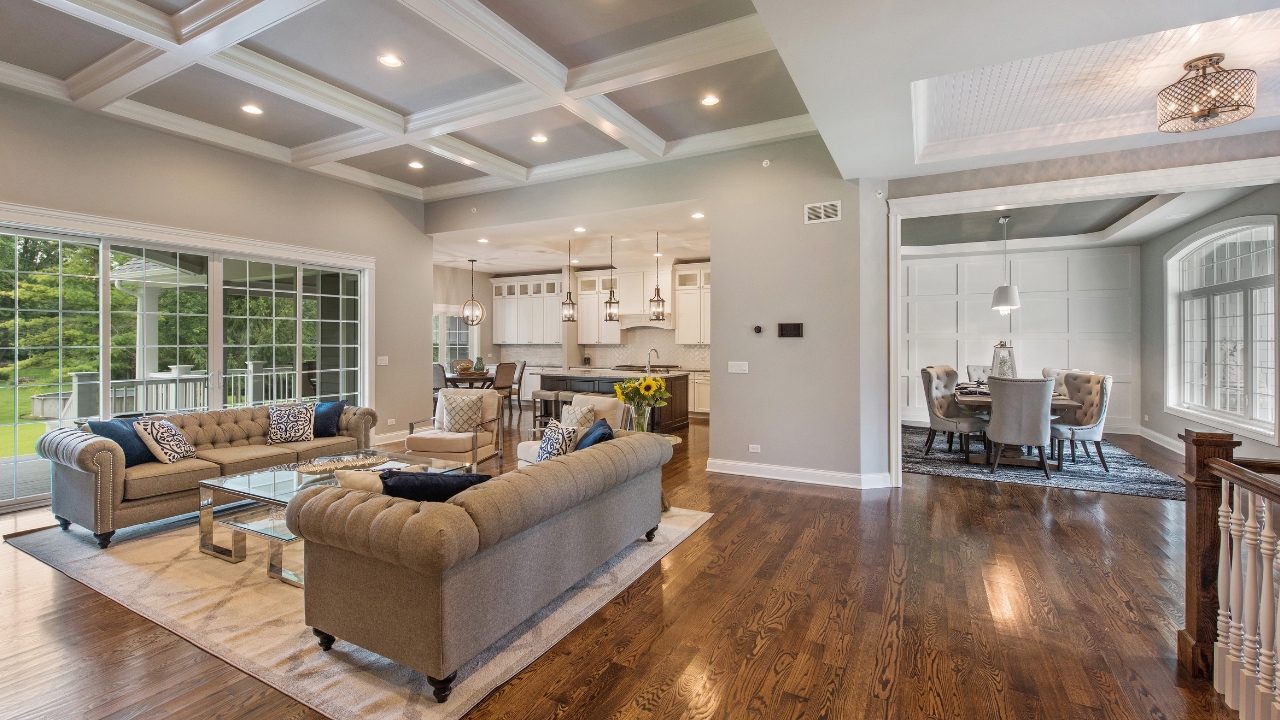
Lighting can help you create distinct zones in an open-plan home without putting up walls or making the space feel cramped. From pendant lights over dining tables to floor lamps in cosy reading corners, the right lighting choices add structure, style and purpose to every area.
Open floor plans make homes feel spacious, airy and connected, but defining different areas can sometimes be tricky. Your living room, dining area and kitchen might share one large space, making each zone feel less distinct. The good news? You don't always need partitions or bulky furniture to separate them. With creative lighting, you can give every area its own identity while keeping the overall layout open.
Let's explore eight creative lighting ideas to make light do the dividing for you!
What are Some Creative Ways to Use Lighting to Divide Spaces?
Here’s how you can use creative lighting smartly to separate spaces in your home:
1. Hang Pendant Lights Over the Dining Table
Pendant lights are a simple way to make your dining area stand out in an open-plan home. Hanging them directly above the dining table creates a visual boundary without disrupting the room's flow.
Choose a single statement pendant for a small table or a row of two or three fixtures for a longer one. Warm lighting can make mealtimes feel more inviting, while a design that complements your furniture helps tie the area together.
2. Use Floor Lamps to Create a Cosy Reading Corner
Have an empty corner that needs a little personality? Turn it into a reading nook with a comfortable chair and a floor lamp. The concentrated pool of light creates a separate area for reading, relaxing or enjoying a quiet cup of tea.
Choose adjustable floor lamps so you can direct light towards your book without illuminating the entire room. This works particularly well in open-plan living rooms where you want a quieter corner away from the television or main seating area.
3. Define the Living Room with Layered Lighting
Your living room should feel like its own comfortable zone, even when it shares space with the kitchen or dining area. Combining ceiling lights, table lamps and floor lamps helps establish that distinction.
Use general lighting to illuminate the room, then add softer lights around the sofa or side tables. This layered approach creates depth and makes the living area feel more intimate. You can also switch off brighter lights when you want to relax, leaving only the softer sources on.
4. Highlight the Kitchen Island with Focused Lighting
A kitchen island often doubles as a breakfast counter, preparation area and informal gathering spot. Focused lighting helps distinguish it from the adjoining living space.
Install pendant lights above the island to create a clear visual anchor. For food preparation, make sure the lighting is bright enough to support practical tasks without causing glare. Under-cabinet lights can provide additional illumination for worktops, while the pendants help define the kitchen's boundaries.
5. Use Track Lights to Separate Functional Zones
Track lighting is especially useful when you need flexibility. Individual spotlights can be directed towards different areas, allowing you to illuminate a dining table, artwork or seating arrangement independently.
For example, angle one set of spotlights towards the dining area and another towards the living room. Changing the lighting focus helps the eye recognise two separate zones, even without a physical division between them.
6. Add LED Strip Lights to Create Subtle Boundaries
LED strip lights can create subtle boundaries beneath kitchen counters, along shelving or around recessed ceiling details.
For instance, lighting beneath a kitchen island can visually distinguish the cooking area from the lounge. Similarly, a softly illuminated shelf behind a sofa can mark the transition between two zones.
Choose dimmable strips where possible, so you can adjust the brightness to suit different activities and times of day.
7. Use Wall Lights to Mark a Transition Between Areas
Wall lights can help establish a visual transition between adjoining spaces. Placing them along a wall behind the sofa or near the entrance to the dining area creates a subtle sense of separation.
They are particularly useful when floor space is limited because they don't occupy surfaces or walking areas. Choose fixtures that complement your interiors and direct light where it is needed, avoiding glare in seating areas.
8. Use Creative Lamps to Give Each Zone Its Own Personality
Sculptural table lamps, distinctive floor lamps and other creative lamps can act as decorative markers for different zones.
Place a statement lamp on a console behind the sofa, for instance, to distinguish the living area from the rest of the room. Alternatively, use a pair of matching lamps on a dining sideboard to establish a sense of balance.
The trick is to vary the lighting style or intensity slightly between zones while keeping the overall design cohesive. This gives each area character without making the room feel disjointed.
Let Creative Lighting Shape Your Space
An open-plan home doesn't need walls to feel organised. With the right combination of pendant lights, floor lamps, wall lights and LED strips, you can define different areas while preserving the sense of space that makes open layouts so appealing.
At Jaquar, we offer lighting solutions designed to bring together functionality, quality and contemporary aesthetics. From statement pendants and creative lamps to versatile indoor lights, our collection helps you create distinct zones that complement your interiors.
Check out our lighting solutions to create a look that works for your everyday needs.
FAQs
You can use pendant lights, floor lamps, track lighting or LED strips to define different zones. Varying the placement and brightness of lights helps distinguish areas without blocking natural light or movement.
A combination works best. Use ceiling lights or downlights for general illumination, pendant lights above the dining table, and table or floor lamps around the living room for a more relaxed atmosphere.
Yes. Indirect lighting, wall lights and concealed LED strips can draw attention to walls, ceilings and architectural details, helping a room feel more spacious. Avoid excessive fixtures or harsh contrasts that make the space feel cluttered.
Warm white lighting, around 2700K-3000K, works well for relaxing and dining areas. Neutral white, around 3500K-4000K, is often suitable for kitchens and work areas where clear visibility matters.
Absolutely. You can mix pendant lights, creative lamps and wall fixtures as long as they share a common design element, such as a finish, shape or colour palette. This creates variety while keeping the overall space visually connected.
 Bath :



Leave your comment