


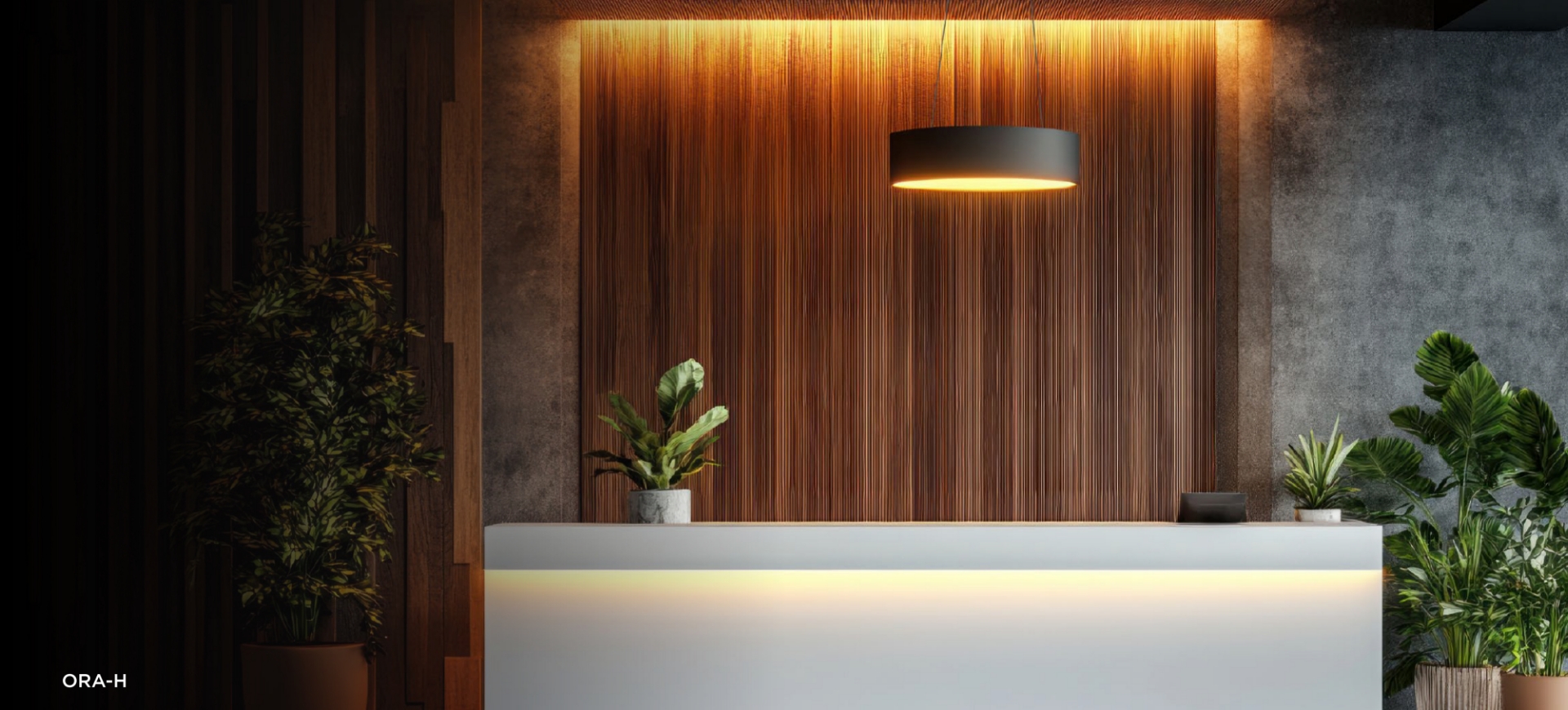
Lighting plays a defining role in how we experience indoor spaces. Beyond visibility, it influences comfort, functionality, and the overall perception of design. In modern interiors, lighting is an integral architectural element that shapes the space, highlights the design intent, and supports everyday living.
Architectural indoor lighting focuses on precision, performance, and integration. It’s about placing light exactly where it is needed, controlling its intensity, and ensuring it complements the architecture rather than overpowering it. At Jaquar, we design lighting solutions that combine technical excellence with refined aesthetics, helping create spaces that are efficient, comfortable, and visually balanced.
What are Architectural Indoor Lights?
Architectural indoor lighting is designed to blend seamlessly with a space's structure and layout. Unlike decorative lights that act as visual accents, architectural lights focus on enhancing functionality, spatial definition, and comfort while maintaining aesthetic harmony.
These lights are often integrated into ceilings, walls, or built-in structures and are chosen based on beam angles, brightness levels, colour temperature, and placement. From subtle ambient illumination to focused task lighting, architectural lights help define how a space feels and functions throughout the day.
How Architectural Lighting Shapes Mood and Function
Lighting has a direct impact on human perception, productivity, and comfort. Well-planned architectural lighting can make small rooms feel larger, highlight textures and finishes, and create a warm or energetic ambience depending on the requirement.
- Mood creation: Warm lighting promotes relaxation, while cooler tones encourage alertness andfocus.
- Spatial clarity: Proper lighting defines zones within open layouts, such as separating living, dining, and work areas.
- Visual comfort: Balanced brightness reduces eye strain and harsh shadows.
- Aesthetic enhancement: Light can emphasise materials, colours, and architectural details, elevating the overall design.
This balance of form and function is what makes architectural lighting an essential part of modern interior planning.
Types of Architectural Indoor Lights
.jpg)
Architectural indoor lights come in a wide range of styles, each designed to serve a specific purpose while enhancing the overall look and functionality of a space.
Surface Lights
Our surface lights are mounted directly onto ceilings or walls and are ideal where recessed installation is not possible. They provide uniform illumination and are commonly used in bedrooms, corridors, kitchens, and utility areas. Their versatility makes them suitable for both residential and commercial spaces.
Recessed Lights
Our recessed lights are installed flush with the ceiling, offering a clean and minimal appearance. Often used in contemporary interiors, they provide focused illumination without visual clutter. These are commonly used for general lighting or to highlight specific zones.
Downlights
Our high optic downlights direct light downward and are a core part of our range for ambient and task lighting. They are ideal for living rooms, kitchens, and workspaces where controlled brightness is essential. Their sleek design allows them to blend seamlessly into modern interiors.
COB Lights (Chip on Board)
COB lights feature multiple LED chips integrated into a single module, delivering high-intensity, uniform light output. They are ideal for accent lighting, display areas, and spaces requiring focused illumination with minimal glare.
Surface-Mounted Panel Lights
These lights provide even light distribution and are often used in larger spaces such as living rooms, offices, and corridors. Their slim design is aesthetically pleasing and delivers efficient lighting.
Linear Lights
Linear lights create continuous illumination and are ideal for kitchens, wardrobes, hallways, and workspaces. They offer a clean, modern look and help visually elongate spaces.
Track Lights
Track lighting systems consist of adjustable fixtures mounted on a track, allowing flexibility in directing light. They are ideal for highlighting artwork, architectural elements, or retail displays.
Cove and Indirect Lighting
Installed within false ceilings or ledges, cove lighting creates soft, ambient illumination. It adds depth and warmth to a space without direct glare, making it ideal for living rooms and bedrooms.
Stretch Ceiling Lights
Integrated into stretch ceiling systems, these lights create a seamless and futuristic lighting effect. Stretch ceiling lights are used in premium residences and commercial interiors where uninterrupted illumination and visual consistency are essential.
Profile Lights
Profile lights are sleek, linear lighting solutions that deliver a modern architectural look. They are available in hanging, surface-mounted, and recessed formats. They also come in various shapes, including straight lines, curves, and customised geometric forms.
Key Considerations When Choosing Architectural Indoor Lights
Selecting the right lighting involves understanding how light interacts with space. Here are some key considerations to keep in mind when choosing lighting for your space:
1. Purpose of the Space
Understanding how a space will be used is the first step in choosing the right lighting.
- Living rooms and bedrooms generally require softer lighting for comfort and relaxation.
- Kitchens, study areas, and workspaces need brighter and more focused illumination for visibility and productivity.
For example, a bedroom may need lighting in the range of 100-200 lumens per square metre, while a kitchen or workspace may require 300-500 lumens per square metre.
2. Lumen Output
Lumens measure the total amount of visible light produced by a fixture. Selecting the right lumen output ensures adequate brightness without glare.
- Ambient lighting: 100-200 lumens per square metre
- Task lighting (kitchen counters, study tables): 300-500 lumens per square metre
- Accent lighting: 50-150 lumens per square metre
Balancing different lumen levels across a space helps create visual comfort and layered lighting.
3. Wattage and Energy Efficiency
Modern LED technology provides higher brightness while consuming significantly less power. LEDs provide more lumens per watt compared to traditional lighting.
- A 7-10W LED can replace a 60W incandescent bulb
- A 12-15W LED can replace a 100W traditional bulb
Choosing energy-efficient LED lights helps reduce electricity consumption while maintaining consistent brightness and performance.
4. Colour Temperature
Colour temperature, measured in Kelvin (K), plays a major role in setting the mood of a space:
- 2700K-3000K (Warm White): Ideal for bedrooms and living areas; creates a cosy and relaxing atmosphere
- 4000K (Neutral White): Suitable for kitchens, dining areas, and bathrooms
- 5000K-6500K (Cool White): Best for task-oriented spaces like study rooms or utility areas
Selecting the right colour temperature ensures both comfort and functionality.
5. Beam Angle and Light Distribution
Beam angle determines how light spreads across a space.
- Narrow beam: Ideal for highlighting artwork, decor, or architectural details
- Medium beam: Suitable for general lighting
- Wide beam: Best for evenly lighting larger areas
Choosing the right beam angle helps avoid harsh shadows and uneven lighting.
6. Design Compatibility
Lighting should complement the overall interior design.
- Recessed and downlights suit modern and minimal interiors.
- Surface-mounted or linear lights work well in contemporary and functional spaces.
The fixture’s shape, finish, and placement should align with the room’s architectural style for a cohesive look.
Why Choose Jaquar for Architectural Indoor Lighting?
At Jaquar, we understand that lighting is an experience. Our range of architectural indoor lights is designed to meet both functional and aesthetic needs, offering advanced technology, superior performance, and refined design.
From surface lights and downlights to COB, recessed, and linear solutions, our lighting range delivers consistent, durable performance and visual comfort. We focus on energy efficiency, long life, and precise light output to help create spaces that feel balanced and welcoming.
With a strong emphasis on innovation and quality, Jaquar lighting solutions seamlessly integrate into modern homes while enhancing everyday living.
FAQs
Architectural lighting focuses on function, structure, and spatial enhancement, while decorative lighting is mainly used for visual appeal.
A combination of ambient, task, and accent lighting works best. Using multiple layers improves both functionality and aesthetics.
Yes, LED-based architectural lights consume less power, last longer, and generate minimal heat compared to traditional lighting.
Absolutely. Properly planned architectural lighting can make small spaces appear larger and more organised.
Warm white (2700K-3000K) works well for living spaces and bedrooms, while neutral white is suitable for kitchens and work areas.
We offer reliable, high-quality lighting solutions with advanced technology and thoughtful design that combine performance and aesthetics.
 Bath :